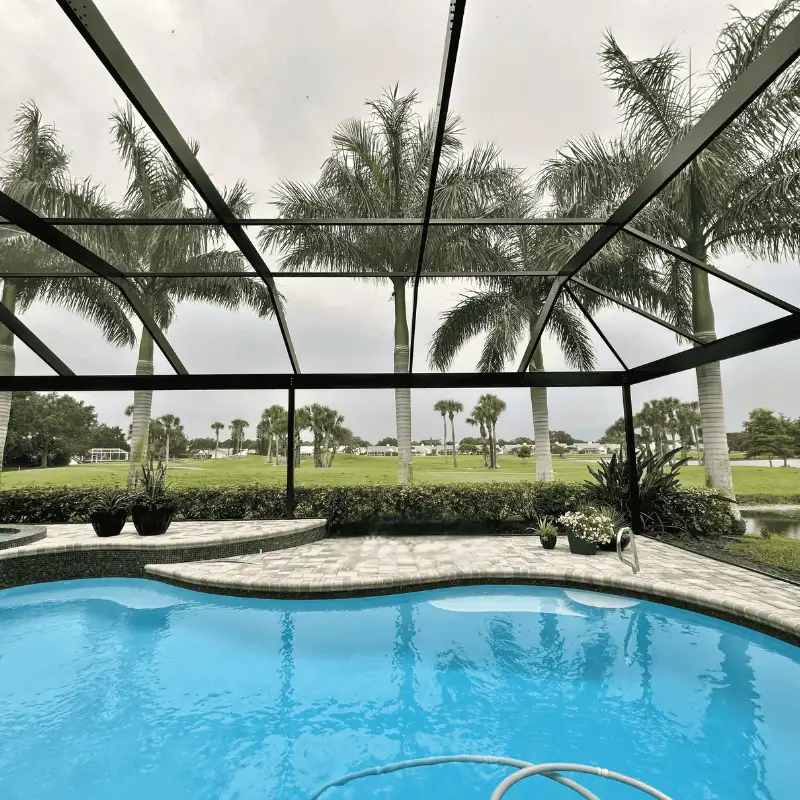
Aluminum patio enclosure installation is one of the best upgrades you can make to a Florida home — but only when it's done correctly.
Here's a quick look at what the process involves:
For Florida homeowners, the stakes are higher than most places. You're dealing with hurricane-season winds, salt air, intense humidity, and insects that make outdoor time miserable without the right enclosure. A properly installed aluminum patio enclosure solves all of that — giving your family a protected outdoor space that holds up year after year.
But a poorly installed one? Leaks, corrosion, structural failure, and failed inspections. That's why the installation details matter so much.
I'm Cody Lafferty, and with over 10 years of hands-on experience in aluminum patio enclosure installation — covering everything from fabrication and structural engineering to project management — I've seen what separates a lasting enclosure from one that causes headaches. In this guide, I'll walk you through exactly how professional installation works and what to look for when hiring someone to do it right.
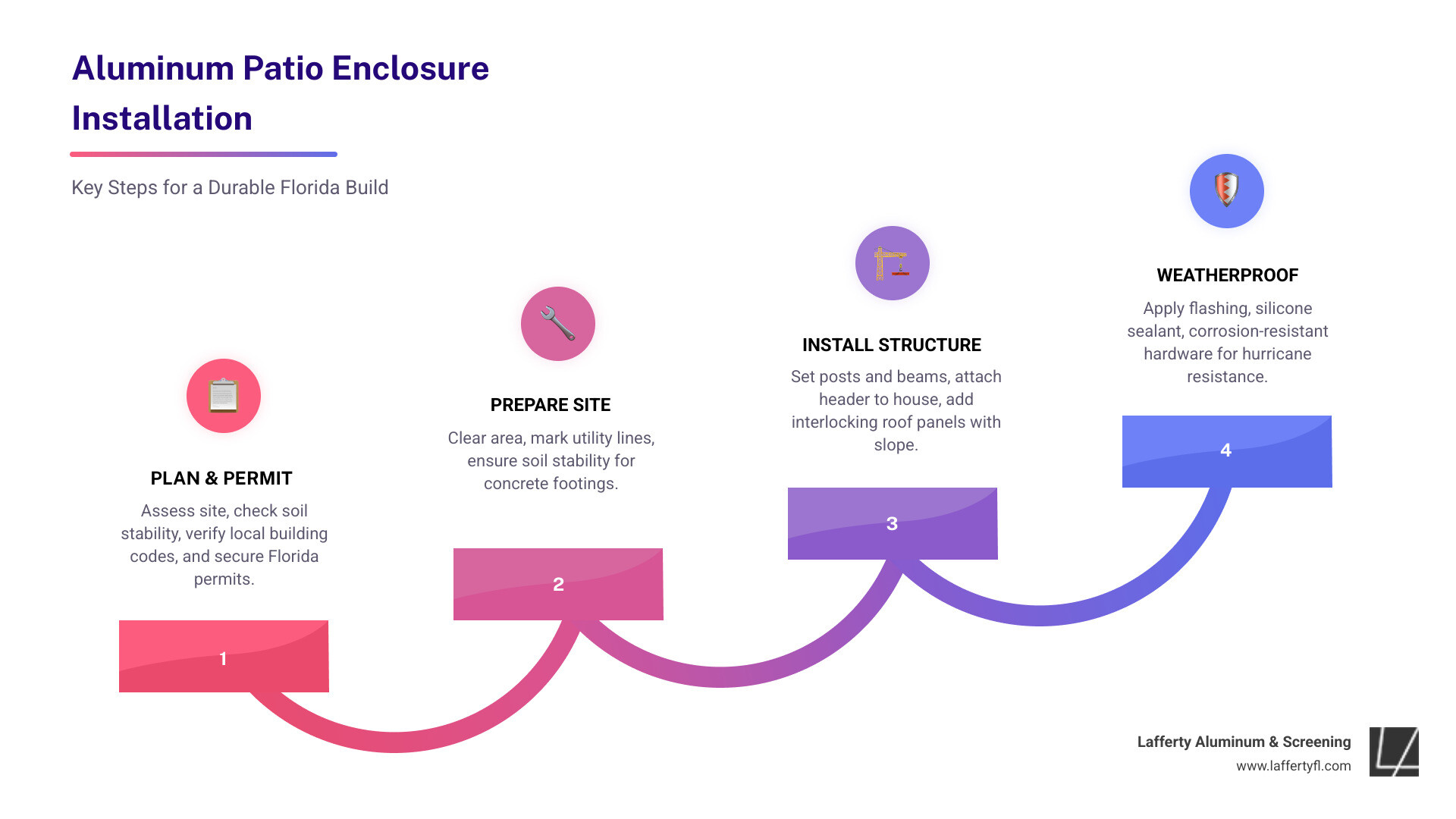
Before we even pick up a drill, we have to talk about the "boring" stuff that actually keeps your house standing. Planning is the most critical phase of Aluminum Patio Enclosures. In cities like Melbourne and Palm Bay, you can't just wing it.
We start by looking at what we’re working with. Is there an existing concrete slab? If so, we check its thickness and condition. A standard enclosure needs a solid foundation. If the soil is unstable—which can happen in some of our coastal areas—we might need to discuss footings. According to engineering standards, the minimum soil bearing strength at the location should be 1,000 pounds per square foot to prevent the structure from settling or shifting over time.
Florida has some of the strictest building codes in the country, and for good reason. When we handle an aluminum patio enclosure installation, we ensure every component meets the Florida Product Approval guidelines. This isn't just a suggestion; it’s a requirement for structural reliability. We also handle the permitting process with Brevard or Indian River County to ensure your project is 100% legal and up to code. This includes checking for Aluminum Patio Extensions that might encroach on property setbacks.
Before any digging happens for post footings, we always call to locate buried utility lines. Trust us, hitting a water main or a power line is a great way to ruin a Tuesday.
You wouldn't use a butter knife to cut down a tree, and you shouldn't use "budget" materials for a Florida patio. We use professional-grade hardware designed to survive the Space Coast climate.
We use extruded aluminum for our frames. Unlike thinner, roll-formed aluminum, extruded aluminum is pushed through a die, creating a much stronger and more durable profile. This is essential for withstanding high winds.
In our humid, salty air, standard screws will rust in a heartbeat. We use stainless steel or specially coated hardware to prevent corrosion. We also rely on 100% high-grade silicone sealants and neoprene washers. These washers create a watertight seal around every screw, which is the first line of defense against leaks.
Depending on your goals, you might choose different roof styles. Here is a quick comparison:
FeatureInsulated Roof PanelsScreen-Only FramesHeat ProtectionExcellent (blocks UV and heat)Minimal (airflow only)DurabilityHigh (can often be walked on)ModerateUsageYear-round outdoor roomSeasonal / Insect protectionCostHigher investmentMore budget-friendly
Our Lafferty Services team can help you decide which material fits your lifestyle and budget best.
The actual "building" part of the job is where our team’s 30+ years of combined experience really shines. We follow a strict sequence to ensure the enclosure is "Florida tough."
The most important connection is where the enclosure meets your house. We attach a heavy-duty aluminum header beam (also called a wall rail) directly into the structural framing of your home—not just the siding.
When Enclosing Existing Patios, we use a chalk line to ensure this header is perfectly level. We then apply two thick beads of caulk behind the rail before fastening it every 12 to 16 inches to ensure a permanent, waterproof bond.
Once the header is up, we set the support posts.
This precision is what prevents "racking" or leaning during a storm. Whether we are doing Aluminum Porch Enclosures or full patio builds, that 10-foot max span is a rule we live by.
Now comes the roof. If we’re installing an Aluminum Patio Cover, we use interlocking panels.
Properly installed Patio Enclosures should never have standing water on the roof after a rainstorm.
Living in places like Merritt Island or Vero Beach means our enclosures face unique threats: hurricanes and salt air.
Our designs meet the International Building Code (IBC) 2009 and ASCE 7-05 standards. This means a standard shade structure is engineered to handle a 20 lbs per square foot live load and at least a 90 mph wind load. In many parts of the Space Coast, we engineer for even higher wind speeds to satisfy local hurricane zone requirements.
When we install Screened Patio Enclosures, we use heavy-duty internal "gussets" and reinforced bracing to ensure the frame doesn't twist when the wind picks up.
The Florida sun is brutal. We use powder-coated aluminum because it won't peel, crack, or blister like paint. To prevent "galvonic corrosion" (where different metals react to each other), we use insulated fasteners.
Maintenance is also key. We recommend that homeowners:
By taking these steps during the Aluminum Patio Covers installation, we ensure your investment lasts for decades, not just a few seasons.
Yes! In almost every municipality we serve—from Palm Bay to Vero Beach—a permit is required. This ensures the structure is safe and won't blow into your neighbor’s yard. We handle all the paperwork and engineering drawings to make sure your aluminum patio enclosure installation is fully compliant with Florida building codes.
For a standard Aluminum Patio Cover, the physical installation usually takes about two days. Of course, the "pre-game" (permitting and site prep) can take a few weeks depending on the local building department's backlog.
Cost depends on the square footage, whether you want screens or insulated glass, and any custom features like integrated lighting or ceiling fans. You can find a detailed breakdown of factors on our Patio Enclosure Cost page.
At Lafferty Aluminum & Screening, we believe your backyard should be your favorite "room" in the house. With over 30 years of combined team experience serving the Space Coast and Treasure Coast, we’ve perfected the art of aluminum patio enclosure installation. We don’t just build screens; we build durable, high-quality outdoor retreats that stand up to the Florida elements.
Whether you're in Melbourne, Viera, or Sebastian, we’re ready to help you transform your patio. Our family-owned approach means we care about every screw and every seal as if it were our own home.
Ready to start your project? Fill out my Wufoo form! Fill out my Wufoo form! to get a free estimate. You can also explore our different styles of Aluminum Patio Covers to see which one is right for you. Let's get outside!
We're excited to learn more about your needs and provide you with a personalized quote. Please fill out the form, and our team will get back to you with a detailed estimate to kickstart your project.


