When homeowners picture the perfect outdoor oasis, a pergola often comes to mind — elegant lines, filtered light, and a space that feels open yet protected. But one question comes up more than any other:
Do pergolas actually provide shade?
The short answer: Yes — but the shade is partial and beautifully filtered.
Below, we break down exactly how pergolas create shade, how to increase their sun protection, and which options work best for Florida’s intense sunlight.
A pergola provides partial shade by using an open-roof design that filters sunlight through crossbeams or a lattice top. The result is a mix of light and shade, offering cooler temperatures without blocking natural light.
This is the type of concise definition search engines often select for snippets and AI summaries.
A pergola's shade comes from its signature roof design: vertical posts supporting horizontal beams and an open lattice or slatted top.
Here’s how that translates to real-world comfort:
Sunlight passes through gaps in the lattice, creating a soft, dappled shade pattern on the patio below. This reduces harsh glare while maintaining an inviting brightness.
The amount of shade depends on:
A well-designed pergola can reduce direct sun exposure significantly.
Because pergolas are open structures, heat doesn’t get trapped. Air flows freely, creating a cooler, breezier outdoor environment — especially important in Florida.
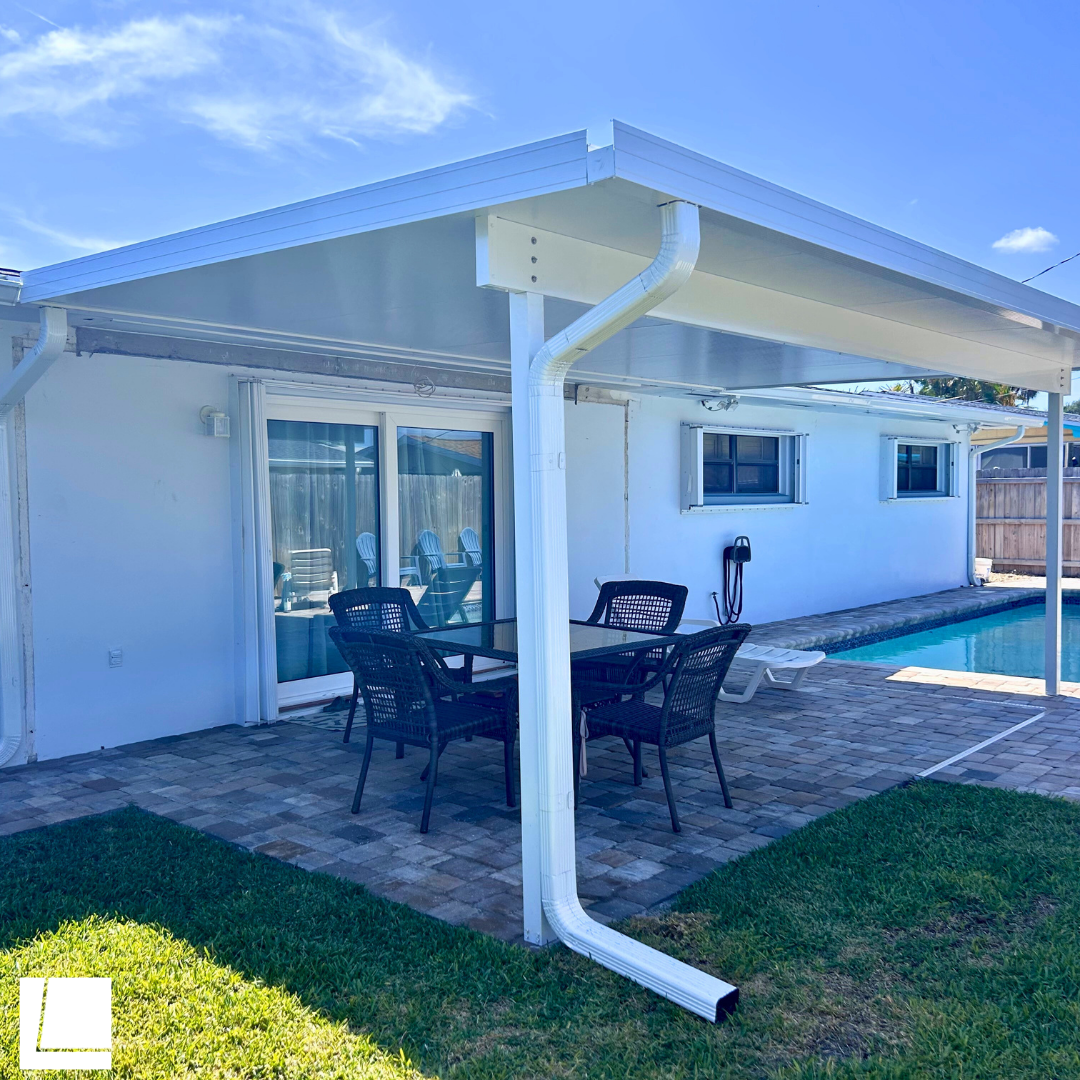
Partial shade is not a drawback — it’s the reason so many homeowners add pergolas to their outdoor spaces.
The interplay of light and shadow adds visual interest and enhances the atmosphere.
Pergolas soften the sun without creating a dark, enclosed space.
Climbing plants thrive beneath filtered sunlight, and many Florida-friendly vines can add even more natural shade.
You can layer shade solutions, décor, lighting, greenery, and outdoor furnishings.
Depending on how you’ll use your pergola, filtered shade can provide the perfect environment for:
Keep the table cool while still enjoying the open-air feel.
Add comfortable seating to turn your pergola into a shaded retreat.
Filtered sunlight creates an inviting, ambient atmosphere for gatherings.
Let vines, flowers, and greenery climb your pergola to create a living canopy.
Want more shade during peak heat hours? Pergolas can easily be upgraded to create additional sun protection.
These allow you to choose full shade or partial light depending on the weather.
Bougainvillea, jasmine, honeysuckle, and ivy can grow into natural shade over time.
Curtains help block low-angle sunlight while adding privacy and elegance.
Modern aluminum pergolas can tilt or close completely, giving you full control of the sun.
Lafferty Aluminum & Screening installs custom aluminum pergolas that are durable, low-maintenance, and designed to withstand Florida’s sun, rain, and humidity.
Yes, but they provide filtered, partial shade rather than full coverage unless upgraded with canopies or louvers.
Typically 40–60%, depending on spacing and angle of the sun. With enhancements, it can reach 90–100%.
Absolutely — by reducing direct sunlight, increasing airflow, and enabling additional shade accessories.
Aluminum is ideal in Florida because it supports add-ons like louvers, canopies, and shade screens while staying weather-resistant.
Yes, if fitted with a solid roof, retractable canopy, or louvered top.
A pergola offers the perfect blend of shade, airflow, and architectural beauty — and with the right enhancements, it can provide exactly the level of sun protection you want.
At Lafferty Aluminum & Screening, we design and build custom aluminum pergolas built to last in Florida’s climate. Whether you’re looking for filtered light or full-shade solutions, we can create an outdoor space that fits your lifestyle.
We're excited to learn more about your needs and provide you with a personalized quote. Please fill out the form, and our team will get back to you with a detailed estimate to kickstart your project.


