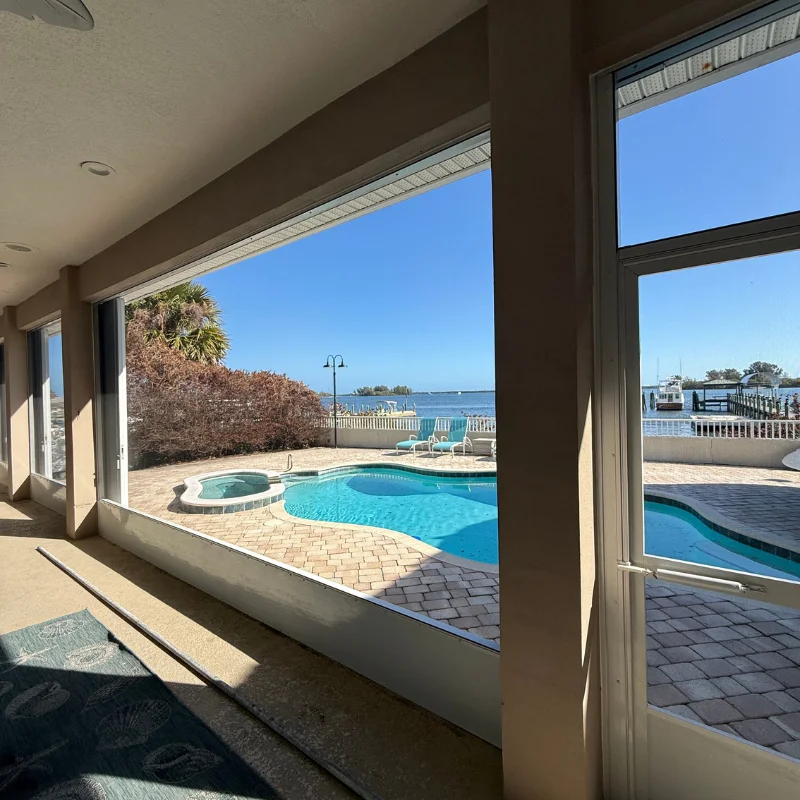
A screened in enclosure on a patio is a structure that surrounds your outdoor patio with a mesh screen framework, giving you a bug-free, weather-sheltered space you can actually use and enjoy.
Here's a quick summary of what you need to know:
In coastal Florida, mosquitoes and no-see-ums don't take days off. Neither does the UV index. A screened enclosure turns a patio you avoid into one you actually use — for morning coffee, family dinners, or just watching the kids play safely outside.
I'm Cody Lafferty, and with over 10 years of hands-on experience in aluminum fabrication, installation, and project management, I've helped countless Florida homeowners transform underused patios into their favorite rooms in the house with a screened in enclosure on a patio built to last. In this guide, I'll walk you through everything you need to make a confident, informed decision.
If you live in Brevard County or Indian River County, you know that the "great outdoors" often comes with a side of "great nuisances." Installing a screened in enclosure on a patio isn't just about adding a mesh wall; it's about reclaiming your lifestyle.
The most immediate benefit is insect protection. Florida is home to mosquitoes, wasps, and those tiny but ferocious no-see-ums. A high-quality enclosure creates a physical barrier that lets the breeze in while keeping the biters out. This is especially vital for Screened Patio Enclosures where families want to host dinners without the "uninvited guests" hovering over the salad.
Beyond bugs, there is the issue of UV radiation. The Florida sun is relentless. A screened enclosure provides an additional layer of shade, filtering out harsh rays and reducing the risk of skin damage. This protection extends to your belongings as well; Enclosed Patios significantly reduce the fading and weathering of your outdoor furniture, rugs, and décor.
For pet owners in places like Melbourne or Palm Bay, these enclosures offer a safe "outdoor" experience. Your cats or dogs can enjoy the fresh air and sights of the backyard without the risk of wandering off or encountering local wildlife. It’s about year-round usability. Whether it’s a humid July afternoon or a rainy afternoon in October, your patio remains a functional part of your home.
Not all enclosures are created equal. When we sit down with homeowners in Viera or Rockledge, we look at how to match the enclosure to the existing architecture.
By exploring different Screen Enclosures styles, you ensure that your new addition doesn't look like an afterthought, but rather a seamless extension of your living space.
The performance of your screened in enclosure on a patio depends heavily on the features you choose. Modern Patio Enclosures are highly customizable, allowing you to prioritize airflow, visibility, or durability based on your specific needs.
Mesh TypePrimary BenefitBest ForStandard (18x16)Excellent airflow & visibilityGeneral insect protectionNo-See-Um (20x20)Blocks tiny biting gnatsCoastal or marshy areasSolar ScreenBlocks up to 90% of UV heatWest-facing patiosPet-ResistantHeavy-duty durabilityHomes with active cats/dogsPrivacy MeshLimits visibility from outsideClose-knit neighborhoods
Choosing the right mesh is arguably the most important part of Patio Screen Installation.
One of the most common questions we hear is about the cost. While prices vary based on dimensions and material choices, a screened in enclosure on a patio is widely considered one of the smartest home improvements you can make.
Research shows that the average return on investment (ROI) is north of 80 percent. In a competitive real estate market like Florida, a screened-in space is a major selling point. It adds perceived and actual square footage to the home. For example, a project for a Screened-In Porch/Viera might cost a few thousand dollars but can add significantly more to the home's appraisal value because it transforms a "slab of concrete" into a "finished room."
Factors that affect the price include:
For a deeper dive into pricing, check out our Cost to Screen in Porch Complete Guide.
While there are DIY kits available, building a permanent screened in enclosure on a patio in the Space Coast or Treasure Coast region is a complex task. Because we live in a high-wind zone, structural integrity is non-negotiable.
The process typically begins with a site evaluation. We look at your existing foundation to ensure it can support the weight and wind-load of an enclosure. If you are starting from scratch, you can learn more about the initial steps in our guide on How to Build a Screened-In Porch Brevard County.
Once the design is finalized and permits are pulled, the physical installation involves:
For homeowners in Cape Canaveral, we specialize in Patio Enclosure Installation Cape Canaveral, ensuring every bolt and screen panel meets strict local safety standards.
In Florida, you can't just "wing it" when it comes to construction. A screened in enclosure on a patio is subject to strict Florida Building Codes, particularly regarding wind load requirements. Our structures must be engineered to withstand the high winds associated with tropical storms and hurricanes.
Getting council approval and the proper permits is a mandatory part of the process. This involves submitting structural engineering plans to the local building department in cities like Cocoa or Palm Shores. These inspections ensure that the enclosure is safely anchored and won't become a hazard during a storm. Whether you are looking at a Screened-In Porch/Cocoa or a Patio Enclosure/Palm Shores FL, we handle the "red tape" so you don't have to.
One of the best things about aluminum enclosures is that they are relatively low maintenance. However, a little care goes a long way in ensuring your investment lasts for decades.
If you are Screening Your Existing Porch, the roof is often the most vulnerable part. If you have a screen roof, be sure to clear off fallen branches or heavy debris after a storm to prevent sagging. For more tips, see our section on Porch Screening and Porch Screening.
Absolutely. Most experts agree that a well-built screened enclosure offers an ROI of 80% or higher. In Florida, it’s considered an essential feature by many homebuyers, often helping a house sell faster and for a higher price than one with just an open slab.
With proper care, a high-quality aluminum frame can last 20 to 30 years or more. The screen mesh itself typically needs to be replaced every 10 to 15 years, depending on sun exposure and environmental factors.
Yes! Converting an existing structure is often more cost-effective because the foundation and roofline are already in place. We simply custom-fit the aluminum framing and screen panels to your existing space.
Investing in a screened in enclosure on a patio is one of the most effective ways to enhance your home’s comfort, safety, and value. Whether you are in Titusville, Melbourne, or Vero Beach, the benefits of a bug-free, shaded outdoor sanctuary are undeniable.
At Lafferty Aluminum & Screening, our team brings over 30 years of combined experience to every project. We understand the unique challenges of the Florida climate and the importance of quality craftsmanship. From the initial permit to the final screen panel, we are dedicated to providing the best Screened Patio Enclosures in the region.
Ready to transform your patio? Give us a call today and let's start designing a space you'll love for years to come.
We're excited to learn more about your needs and provide you with a personalized quote. Please fill out the form, and our team will get back to you with a detailed estimate to kickstart your project.


